
VISCERAL FAT CT
Visceral fat CT assessment
See the fat inside your abdomen
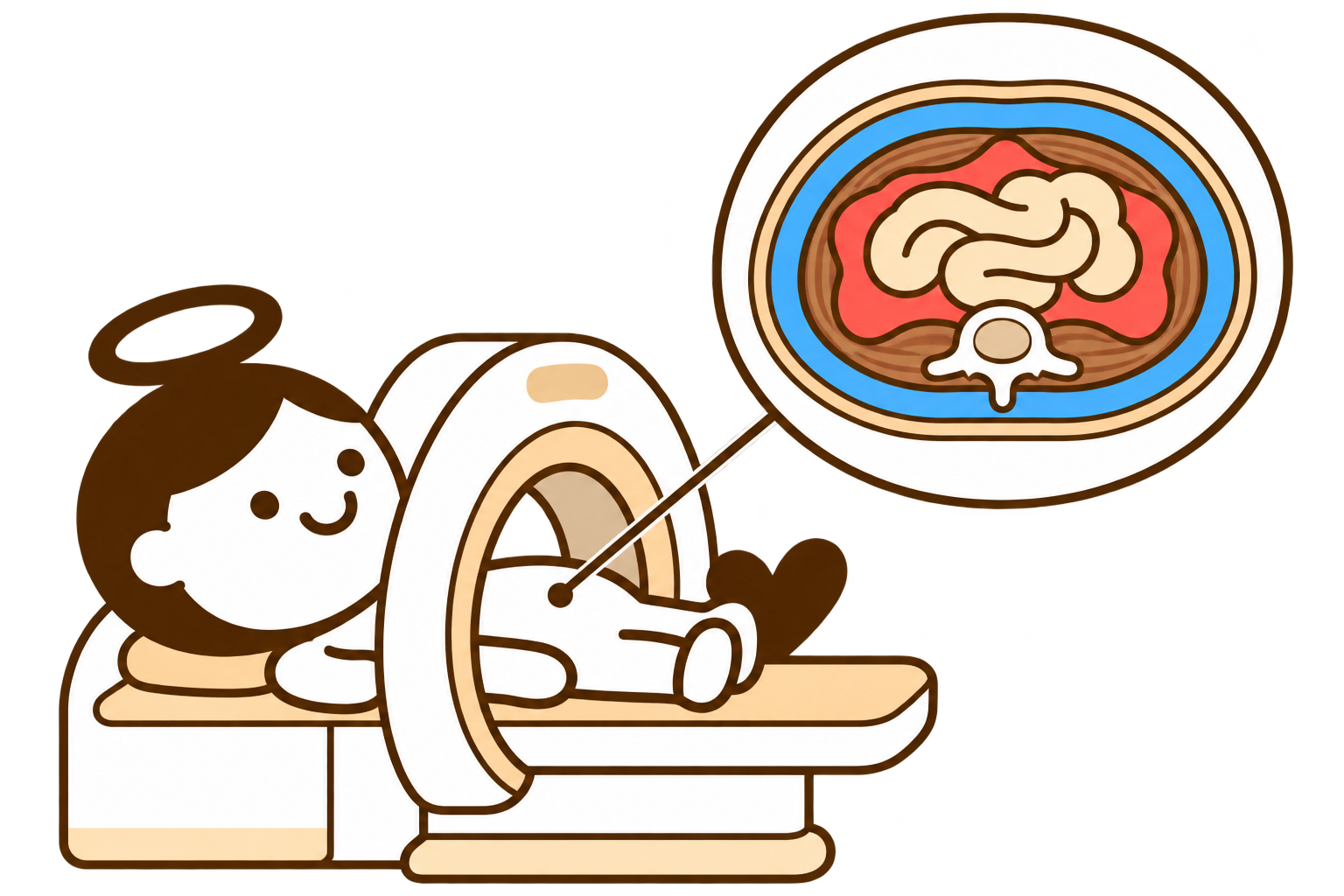
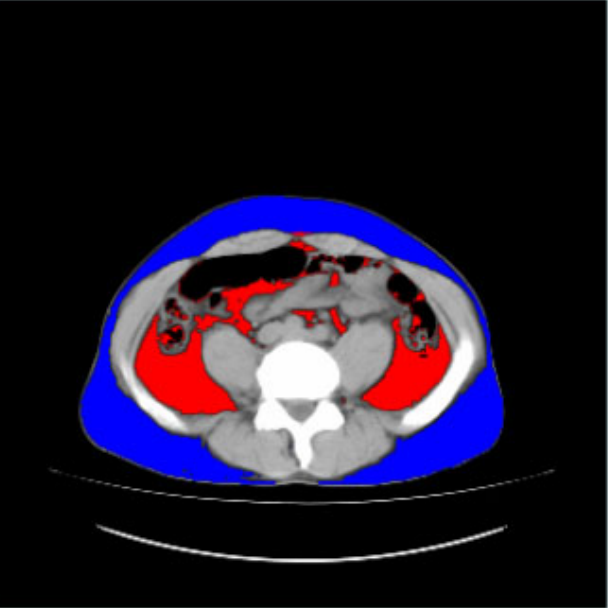
Red: visceral fat / Blue: subcutaneous fat
All prices include tax.
Fee: 2,000 yen per examination (tax included) / health-check add-on
Reviewed by Koshiro Nishimoto, Clinic Director
Updated November 21, 2026
Concerned about your waistline or health-check results?
“My weight has not changed much, but my waistline concerns me.” “My health check showed high blood sugar or triglycerides.”
Measuring visceral fat can help you review your lifestyle. A CT cross-section of the abdomen shows the areas occupied by visceral and subcutaneous fat.
Visceral and subcutaneous fat
Subcutaneous fat lies just beneath the skin. Visceral fat lies inside the abdomen, around organs such as the intestines.
Excess visceral fat can adversely affect blood sugar, blood pressure and triglycerides, increasing the risk of diabetes and diseases related to atherosclerosis. Weight or BMI alone may not adequately indicate visceral fat accumulation. Reference: Japan Endocrine Society (Japanese)
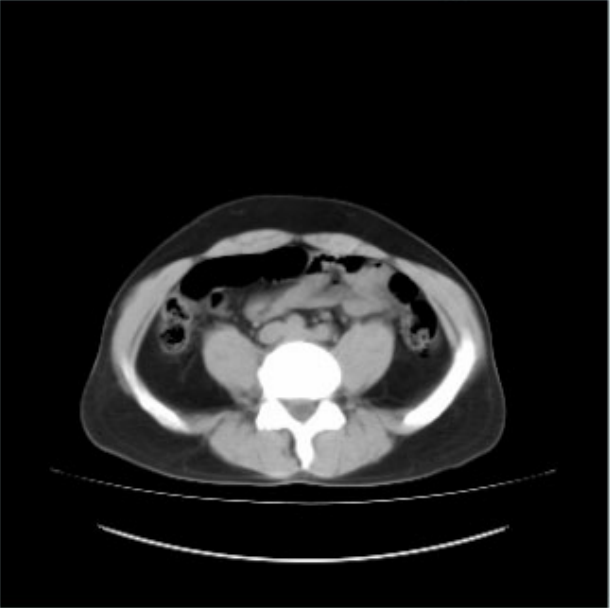
These are CT images of the clinic director, Koshiro Nishimoto. The red areas inside the abdomen are visceral fat; the blue areas beneath the skin are subcutaneous fat.
Results are expressed as an area
The test measures the area occupied by fat in an abdominal cross-section, in cm². This is different from whole-body fat percentage.
For both men and women, 100 cm² or more is a marker of visceral fat accumulation. This value alone does not diagnose metabolic syndrome or determine whether you have a disease. It is assessed together with blood pressure, blood sugar, lipids and other health-check results. Reference: MHLW diagnostic criteria (Japanese)
Use the results to review your lifestyle
Changes to eating habits, physical activity and other aspects of your lifestyle may help reduce visceral fat. Use the results to consider sustainable changes to your food choices, portion sizes and daily activity. Reference: Japan Endocrine Society (Japanese)
How the test is performed and radiation exposure
Because only a single abdominal cross-section is scanned, radiation exposure can be kept lower than with a conventional CT of the entire abdomen. As a reference, an effective dose of approximately 0.4 mSv (millisieverts) per slice has been reported for abdominal fat assessment. Reference: Ryo et al. (2014) The actual dose varies with the scanner, imaging settings and body size. Please tell us beforehand if you are pregnant or may be pregnant.
This examination assesses fat distribution. It differs from a CT examination intended to assess all abdominal organs in detail.
Ask when booking your health check
Visceral fat CT assessment is available as an optional addition to your health check. Please ask when booking.