
BNP blood testing and echocardiography
Early detection and prevention of heart failure progression
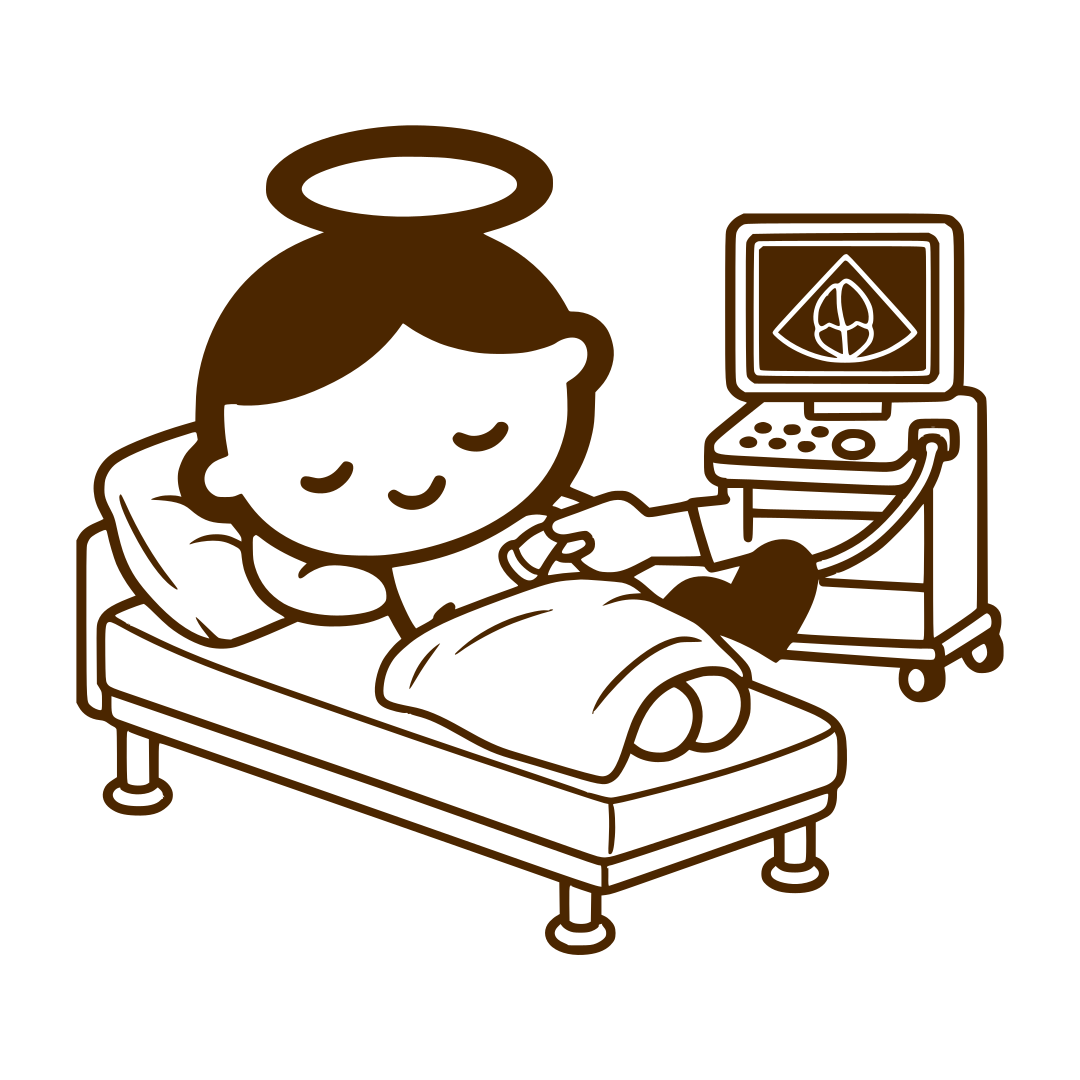
Protecting the heart before symptoms develop.
Medically reviewed by Koshiro Nishimoto (Director)
Updated October 11, 2026
Heart failure prevention during care for long-term conditions
Heart failure is a condition in which impaired heart function causes symptoms such as breathlessness, swelling and fatigue. High blood pressure, diabetes and chronic kidney disease are among its risk factors.
During care for these conditions, we consider strain on the heart as well as blood pressure and blood glucose. We aim to identify heart failure early and reduce the risk of its onset and progression.
There is a stage before heart failure symptoms appear
Stages are based on symptoms and the condition of the heart. Taking action before symptoms appear is important.
Stage A
At risk for heart failure
Risk factors such as hypertension, diabetes or chronic kidney disease are present, without clear structural or functional heart abnormalities or heart failure symptoms.
Goal: manage risk factors
Stage B
Pre-heart failure
There have been no heart failure symptoms, but heart structure or function is abnormal. Findings such as blood markers of cardiac stress are also assessed in context.
Goal: prevent symptomatic heart failure
Stage C
Symptomatic heart failure
Heart abnormalities are present, with current or previous heart failure symptoms. This stage still applies when treatment has brought symptoms under control.
Goal: improve symptoms and prevent worsening or readmission
Stage D
Advanced heart failure
Severe symptoms persist despite appropriate treatment, requiring further specialized treatment and support.
Goal: specialist treatment and supportive care
Assessment with BNP and echocardiography
BNP is a blood marker used to assess strain on the heart.
Decide whether testing is needed
For patients with long-term conditions, we review symptoms, examination findings and medical history to decide whether a test is indicated.
Measure BNP
A blood test helps identify possible cardiac strain. Kidney function, age and irregular heart rhythms also affect interpretation.
Arrange echocardiography when BNP is elevated
Ultrasound assesses contraction, relaxation, heart size and valves. Symptoms and other findings may also prompt investigation even when BNP is low.
Combine the findings and plan care
We do not diagnose heart failure from a blood value alone. Symptoms and imaging are assessed together, with referral to a cardiologist when needed.
A guide to interpreting BNP
These are guides for non-acute outpatient assessment, not criteria for assessing sudden breathlessness.
| BNP (pg/mL) | Guide to assessment |
|---|---|
| Below 35 | Heart failure is less likely, but symptoms and other findings may warrant assessment or follow-up. |
| 35 to below 100 | Consider pre-heart failure or heart failure and assess further, for example with echocardiography. |
| 100 to below 200 | Heart failure is more likely; consider detailed assessment. |
| 200 or above | Heart failure with a higher risk of worsening or hospitalization may be present; careful assessment is needed. |
A value alone cannot determine the diagnosis or stage. Reduced kidney function, age and atrial fibrillation can raise BNP; obesity can lower BNP levels. Current medicines are also reviewed. Low levels do not always rule out heart failure.
Taking action at the pre-heart failure stage
Stage B (pre-heart failure) calls for appropriate care before symptoms develop. We support blood pressure, glucose and lipid management, salt reduction, suitable exercise, weight management and stopping smoking.
Medicines are selected according to heart function, kidney function and other conditions. We consider ACE inhibitors/ARBs, beta blockers, ARNI, MRAs and SGLT2 inhibitors for patients who need them, checking each medicine’s approved indications and safety.
For patients with reduced heart contraction, medicines such as ACE inhibitors/ARBs and beta blockers may be considered. ARNI, MRAs and SGLT2 inhibitors are selected according to the particular condition, such as hypertension, diabetes, chronic kidney disease or heart failure, and the individual medicine’s indications. We do not give every person with stage B the same combination.
During treatment we monitor blood pressure, pulse, kidney function and blood potassium and adjust care as needed. We work with cardiologists when more detailed testing or specialist treatment is required.
Tell us promptly about changes in your health
Please seek advice if you become more short of breath, develop leg swelling, feel breathless lying down, or gain weight rapidly. Sudden severe breathlessness or severe chest pain requires emergency action, such as calling 119 in Japan.
References and guidelines
- Japanese Circulation Society / Japanese Heart Failure Society: 2025 Guideline on Diagnosis and Treatment of Heart Failure (official PDF; Japanese). Printed p.20 (stages), pp.34–35 (BNP), pp.62–63 (stage B treatment).
- Japanese Heart Failure Society: Heart Failure Prevention Statement (official PDF; Japanese). Care for people at risk and with pre-heart failure, the role of testing, and treatment selected for the underlying condition.
Checked October 11, 2026. Page numbers refer to printed pages. The clinic diagrams use medical facts from the guideline without using the original images or composition.
This page provides general information for patients. The need for testing, Japanese health-insurance eligibility and individual treatment are determined by the doctor after clinical assessment.
Concerned about strain on your heart?
If you receive care for hypertension, diabetes or chronic kidney disease, or are concerned about health-check results or symptoms, please discuss this at your visit. Bring health-check results and your medication record if available.